
It's time to liberate the robots!
The ongoing shortage of qualified workers across nearly every industry, further exacerbated by the pandemic, has led to severe economic impacts and worsening quality of life while stressing existing social inequalities. Robotics offers unprecedented potential to address real labour problems from hospitals to construction sites, in manufacturing facilities, in our homes, and in our city streets.
However, robots currently fall short.
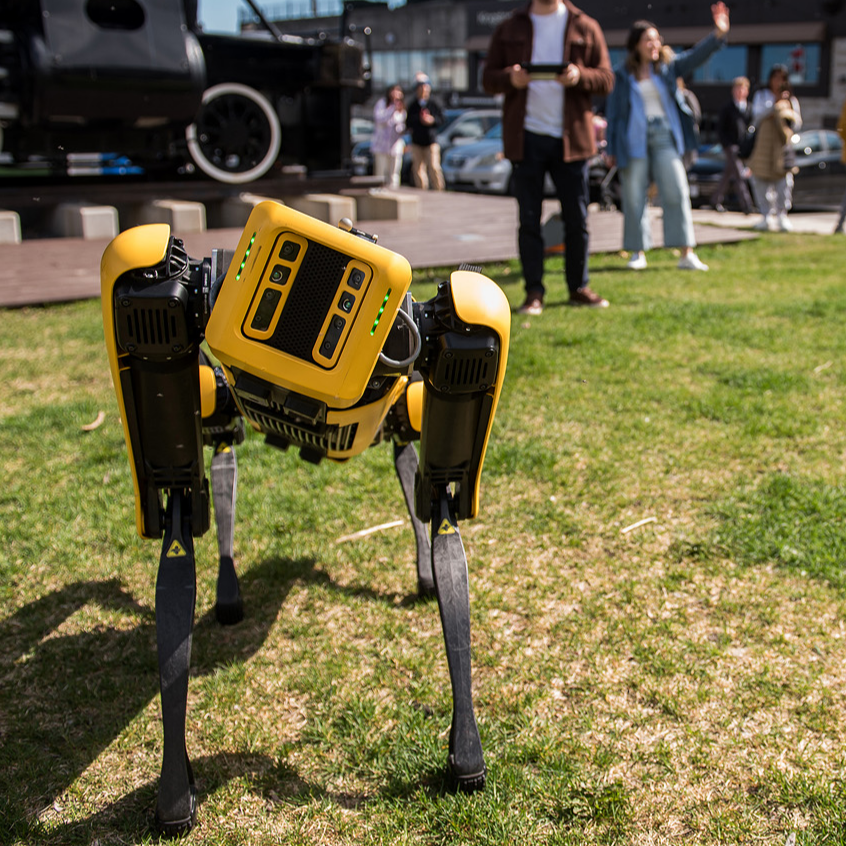
To obtain the best use from robots, they need to coexist and interact with people, working in proximity to us when needed and navigating diverse areas as necessary. However, the integration of mobile robots (wheeled, legged, aerial) in human spaces also creates new technical, social, and ethical considerations. These interdisciplinary topics, not traditionally covered by existing graduate training programs, are essential for the development of technologies that interact effectively and safely with human life in complex ways.
.png)
Program Overview
Our goal is to prepare trainees to lead the next generation of robotic technologies towards solving societal problems.
This next generation of trainees will be equipped with unique skills through their time in the ADVENTOR Program.
ADVENTOR presents trainees with opportunities to tackle the practical implementation of mobile robots within a variety of human-occupied spaces.
The ADVENTOR Program has been carefully designed to address three essential gaps in current training programs:
- Human-centered Designs
- Experiential Learning in Real Environments
- Diversity in Technological Fields
Trainees will apply their knowledge and lived experiences as they complete their graduate program requirements, working collaboratively on research projects involving robots in the city, and in the home.
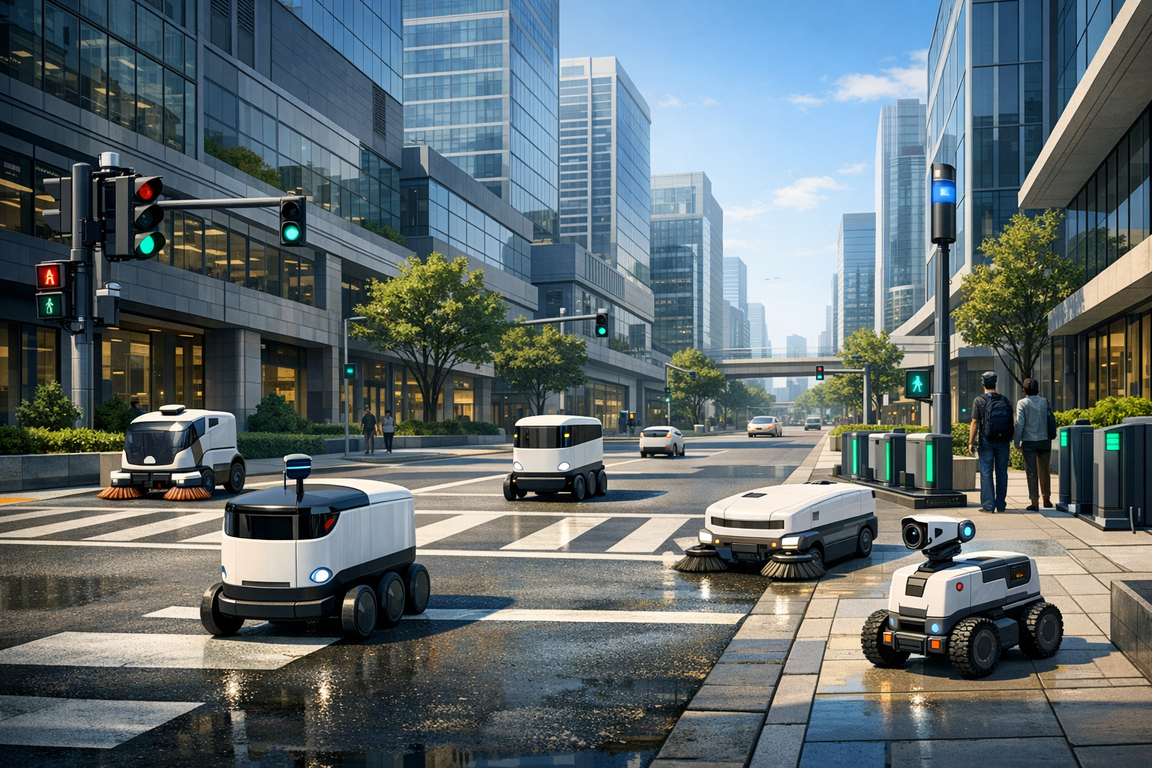
Robots in the City
How robots can assist with municipal public services and the monitoring of critical infrastructure.
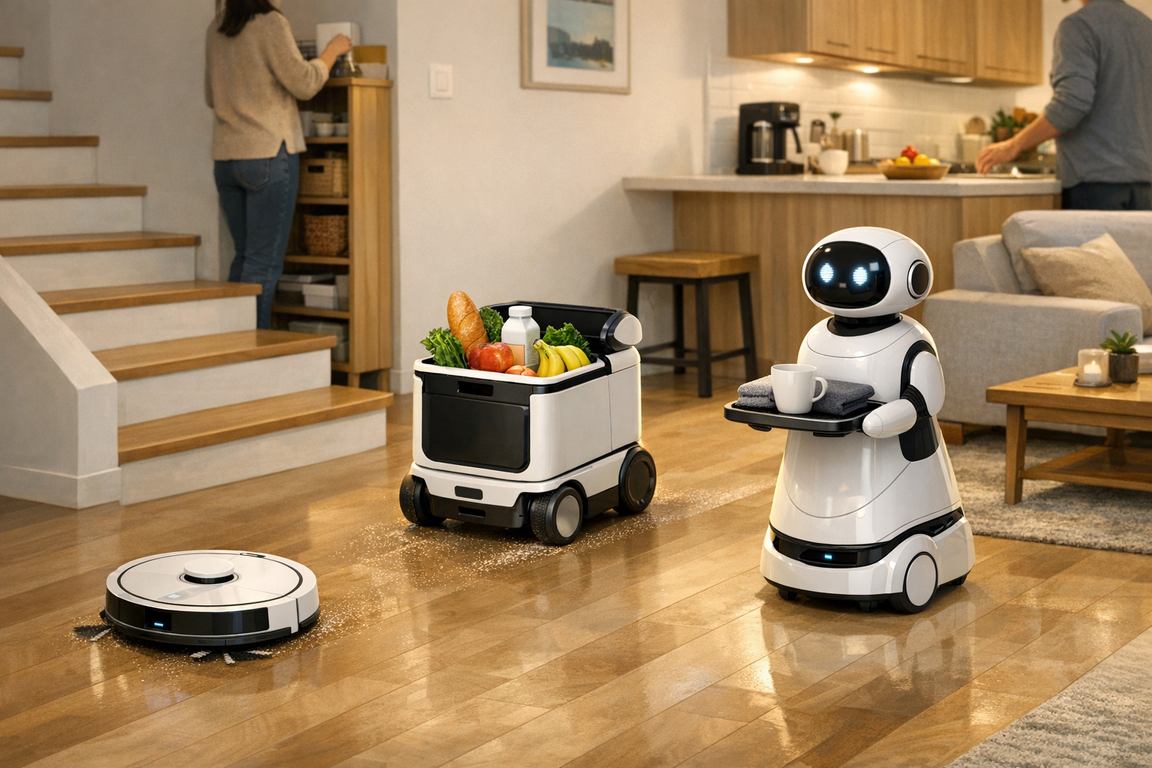
Robots in the Home
How robots can extend care outside the hospital and enhance activities of daily living.
Beyond Disciplinary Specializations
Current graduate programs in robotics have primarily focused on core technical knowledge to develop innovative technology but do not adequately address the economic, social, and ethical issues that arise.
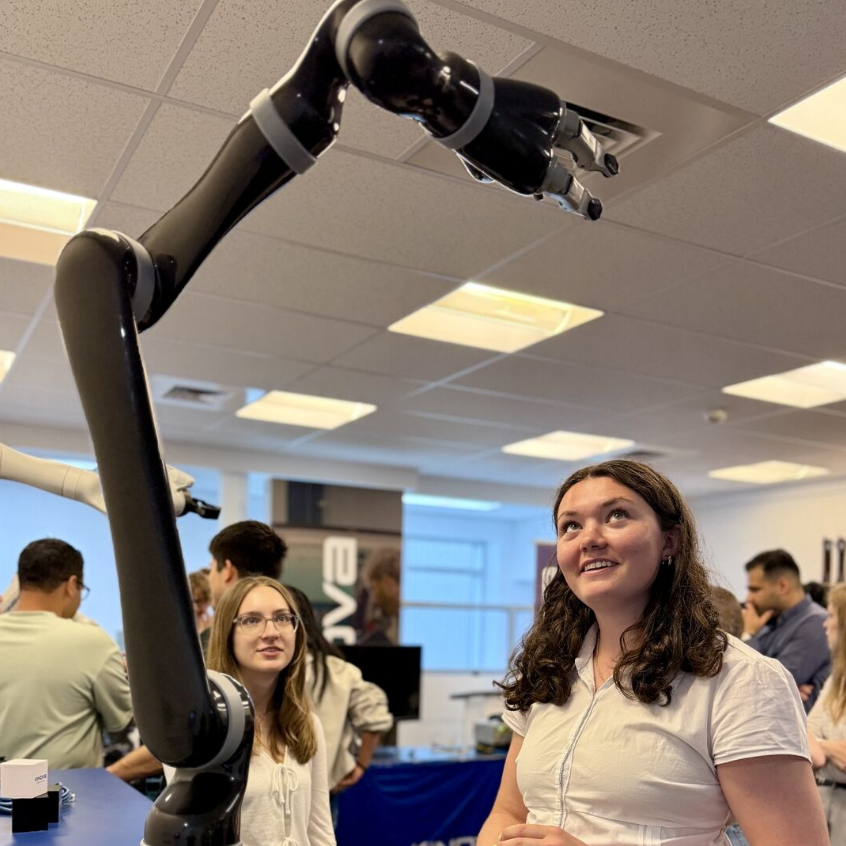
The design robots capable of working with humans, the integration in interdisciplinary natural science and engineering (NSE) and non-NSE training is essential.
This program will provide students with specialized course modules and collaborative research opportunities that allow trainees to consider the various facets of deploying robots in human-occupied spaces.
Learning in Real Environments
Students often miss out on opportunities to apply their technical skills to solve practical problems when enrolled in graduate programs.
The ADVENTOR Program offers a variety of opportunities and experiences in real learning environments with professionals currently working in robotics. Industry leaders will mentor trainees on the tools they use to develop appropriate robot solutions to address client needs.
These tangible learning experiences add to the foundation set by our training program.
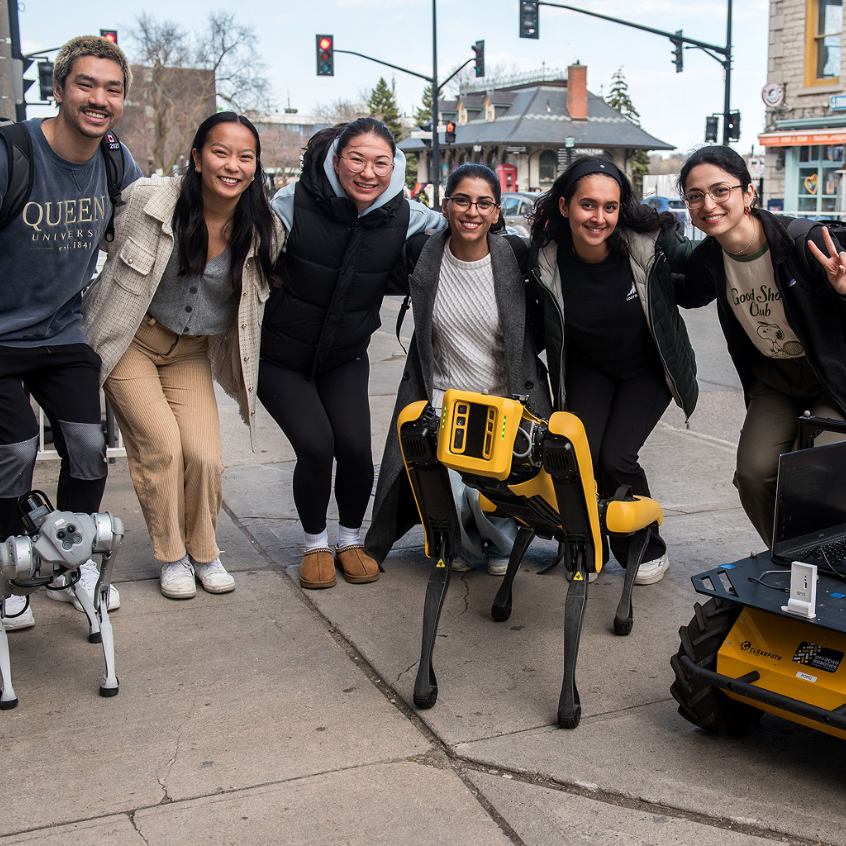
Diversity in Technological Fields
Lack of representation is prevalent in technological fields and can have severe consequences.
The dominance of designs based on the "average male" marginalizes underrepresented users (e.g., women are 47% more likely to be injured in vehicular accidents).
Diversity does not only refer to gender, but also various cultures, and (dis)abilities.
Our program is committed to seeking out students, team members, guest speakers and collaborators to promote the diverse talent working in robotics.
